

Creatine from A to Z: How to use it, dosing, and why it is the best supplement on the market

35 min read
27 komentarov
458
14
You have started taking creatine, or perhaps you are considering it – and suddenly you find that everyone is telling you something different. One coach insists on a loading phase, while another rejects it. Some people mix creatine with juice, others with water. And online, you read that creatine ruins your kidneys and causes hair loss. What is true, and what are just myths? Read our most comprehensive guide to creatine on the internet!
Creatine: What is it and how does it work?
What is creatine?
Creatine (methylguanidine-acetic acid, chemical formula C₄H₉N₃O₂) is a compound that occurs naturally in your body. Creatine is synthesized from the amino acids arginine, glycine, and methionine, primarily in the liver and kidneys (10). It is not a steroid, hormone, or synthetic substance, but a component of normal human metabolism.
Approximately 95% of creatine is stored in skeletal muscle, with the remaining 5% found in the brain, heart, and testes (2). The total creatine pool in the muscles of an average 70 kg person reaches approximately 120 mmol/kg of dry muscle mass – with an upper saturation limit of around 160 mmol/kg (10).
How does creatine work at the cellular level?
For muscles to work at full capacity, they need energy in the form of adenosine triphosphate – ATP. During maximum performance – whether it's a sprint, a heavy squat, or a jump – muscles burn ATP so quickly that other energy systems simply cannot keep up with the pace. Aerobic metabolism is too slow; glycolysis also requires time. Performance drops, and muscles fatigue.
This is where creatine comes in. The body stores it in the muscles in a phosphorylated form as phosphocreatine (PCr) – and it acts as a backup battery that reacts first, even before other systems can respond.
Phosphocreatine immediately replenishes energy by converting ADP back into ATP (2). Furthermore, the creatine/phosphocreatine kinase system (CK/PCr) connects sites of energy production in the mitochondria to sites of energy consumption in the muscle cell cytoplasm – so energy travels exactly where the muscles need it at that moment (10).
The answer to the question what is creatine for is therefore: Creatine is stored in muscles as phosphocreatine, and the greater your muscle stores of phosphocreatine, the longer you can perform at full capacity – and the faster your muscles recover between sets or sprints.
Creatine in food vs. supplementation
The body breaks down 1–2 g of creatine every day into creatinine, which is excreted in the urine (10). Part of this loss is replenished through diet – meat and fish contain approximately 1–2 g of creatine per 450 g serving (10).
Vegetarians and vegans therefore typically have naturally lower creatine stores in their muscles – approximately 90–110 mmol/kg of dry muscle mass – and supplementation generally yields a more significant effect in them (10).
With a standard mixed diet, muscle creatine stores are approximately 60–80% saturated. Supplementation with creatine monohydrate can increase them by 20–40% (10).
Creatine: Effects – what does science say?
The International Society of Sports Nutrition (ISSN) classifies creatine monohydrate as the most effective legal ergogenic nutritional supplement currently available to athletes for increasing high-intensity exercise performance and increasing lean muscle mass (10). This assessment is based on over 500 peer-reviewed publications and has been repeatedly confirmed by independent position stands from US academic societies in nutrition and sports medicine (10).
What is creatine used for? We categorize its effects into three categories based on the strength of the evidence.
Well-supported effects (consistent evidence from randomized controlled trials and meta-analyses)
1
Creatine supports performance
Performance support during high-intensity intermittent exercise is the best-documented effect of creatine. Supplementation increases phosphocreatine stores in the muscle, thereby accelerating ATP resynthesis between repeated explosive efforts.
Specifically: short-term supplementation with creatine monohydrate increases:
maximum strength and power by 5–15%,
performance during repeated sets of maximal contractions by 5–15%, and
performance during repeated sprints by 5–15% (2).
The benefit is most consistent for exercises lasting 6–30 seconds with short rest intervals (3), such as powerlifting, weightlifting, or team sports like football.
2
Creatine contributes to muscle mass growth
Muscle mass growth during resistance training is the second robustly supported effect. Long-term supplementation combined with resistance training leads to approximately double the increase in lean muscle mass compared to training alone – typically 0.9–1.8 kg more over 4–12 weeks (2). The mechanism involves direct stimulation of myofibrillar protein synthesis as well as improved capacity to handle more intense training (10).
3
Creatine supports recovery
Accelerated recovery after intense activity has been confirmed by several controlled trials. Creatine monohydrate reduces markers of muscle damage – creatine kinase and inflammatory cytokines such as TNF-alpha and prostaglandin E2 – after demanding training or competition (10). Additionally, creatine supports muscle glycogen resynthesis when combined with carbohydrates (10).
Effects with good but less consistent evidence
1
Creatine and endurance sports
Endurance sports do not benefit as directly from creatine as strength disciplines. Evidence is mixed – creatine does not increase VO₂max aerobic capacity, but it can be beneficial in sports that combine endurance with repeated "bursts" of intensity, such as team sports, cycling intervals, or swimming (3). Conversely, weight gain during the loading phase may be a disadvantage in weight-sensitive sports (combat sports, powerlifting, weightlifting).
2
Creatine and cramps, dehydration, or injury
Protection against injury and dehydration – in prospective studies, creatine users among American football players showed a statistically lower incidence of muscle cramps, heat illness, dehydration, and total injuries compared to non-users (10; 1).
Promising but less researched effects
1
Creatine and cognitive performance / brain health
The field of health and creatine is among the fastest-growing in "creatine science". The brain maintains its own stores of creatine and phosphocreatine, which play a key role in neuronal energy homeostasis. Supplementation with creatine monohydrate (5 g/day for 6 weeks) has shown statistically significant improvements in working memory and cognitive processing in healthy adults (10).
The benefit was even more pronounced after sleep deprivation – supplementation (20 g/day for 7 days) statistically reduced performance decline in tests of reaction time, balance, and mood (10).
Vegetarians represent a special group as they naturally have lower creatine stores in the brain – their cognitive response to supplementation is consistently stronger (1).
Based on this data, the ISSN recommends that athletes in contact sports with a risk of concussion consider creatine monohydrate for its neuroprotective effects (10).
What creatine does not do
For completeness, it is important to mention the limits of efficacy.
Creatine does not increase aerobic VO₂max or performance during a single maximum sprint, where the benefit is too small to be reliably detected (3).
Creatine does not replace training stimuli – in older adults without concurrent resistance training, supplementation alone yields minimal changes in muscle mass (1).
Creatine also does not increase body fat – across dozens of studies ranging from 1 week to 2 years, body fat percentage has not increased (1).
How to take creatine? Step-by-step dosage guide
How many grams of creatine per day?
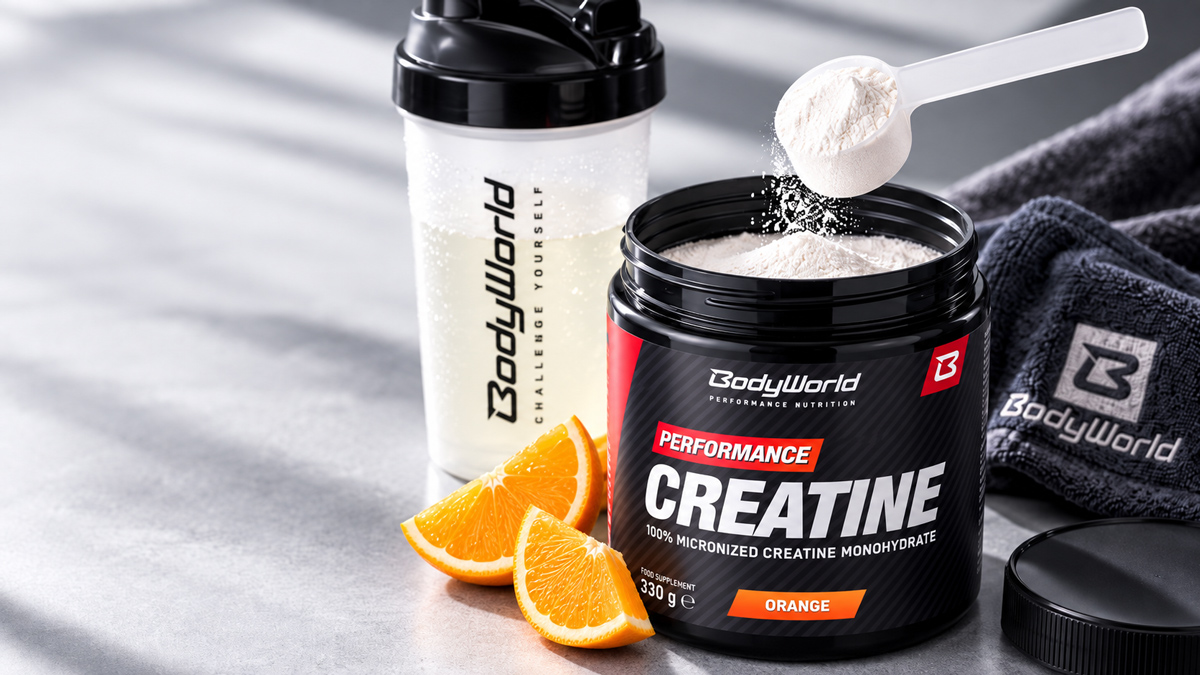
The standard maintenance dosage of creatine monohydrate is 3–5 g per day for most adults. Larger athletes with higher muscle mass may need up to 5–10 g/day to maintain fully saturated stores (10). You can also determine your dose relative to body weight: 0.1 g/kg of body weight per day (1).
Doses higher than 5–10 g/day in the maintenance phase offer no additional benefit – muscles have an upper saturation limit of approximately 160 mmol/kg of dry muscle mass, and the body simply excretes excess creatine in the urine (10).
How to dose creatine: Loading phase vs. continuous use
There are two scientifically verified protocols for how to take creatine. The choice between them depends on your goal and preferences.
1
Loading phase + maintenance dose
A loading phase means 20–25 g of creatine monohydrate per day for 5–7 days, divided into 4–5 doses of 5 g each (10). After the loading phase, you switch to a maintenance dose of 3–5 g/day. Muscle creatine stores fill to their maximum in approximately one week, and the ergogenic effect sets in faster.
Important note: Doses above 10 g at one time can cause gastrointestinal distress – diarrhea or nausea – in sensitive individuals. Therefore, during the loading phase, it is better to spread your 5g doses evenly throughout the day (1).
2
Continuous low-dose regimen without loading
The alternative is to simply take 3–5 g of creatine monohydrate daily without any loading phase. You will reach the same level of muscle saturation, just more slowly – full saturation occurs in approximately 28 days (9, cited in 10). The advantages are clear: minimal transient weight gain from water retention, lower risk of GI distress, and more economical creatine usage.
For most people who are not under time pressure before a competition, protocol 2 is a more practical choice.
| Loading protocol | Continuous dosing | |
|---|---|---|
| Dose | 20 g/day (4x 5 g) for 5–7 days, then 3–5 g/day | 3–5 g/day |
| Full saturation | ~7 days | ~28 days |
| Weight gain | +0.6–1.0 kg (water) | Minimal |
| GI risk | Higher for doses >10 g at once | Low |
| Suitable for | Rapid effect before a competition | Long-term use |
Creatine before or after training? or When to take creatine
The timing of creatine, or the time of day when to take creatine, is a significantly overrated factor in practice. Research clearly shows that the total daily dose is more important than the exact time of ingestion (1). Muscles accumulate creatine gradually over days and weeks – not within hours after a single dose.
Nevertheless, there is slight evidence that taking it immediately after training may be slightly more advantageous. The Antonio & Ciccone study (2013, cited in 1) found a consistent – albeit statistically insignificant – trend toward higher gains in muscle mass and strength with post-workout ingestion. A possible explanation: after training, the muscle cell is more sensitive to nutrient uptake and creatine transporters are more active.
Practical recommendation: Take creatine whenever it is convenient for you – consistency in daily intake is more important than precise timing. If you want to get the most out of it, include your dose in your post-workout window alongside a meal containing carbohydrates and protein.
Creatine on rest days
Yes, it makes sense to take creatine even on rest days. The goal of supplementation is to keep muscle stores permanently saturated – and this requires daily replenishment of the 1–2 g that naturally breaks down into creatinine (10). Occasional missed doses will not significantly disrupt saturation, but systematic skipping will gradually reduce stores.
The dose on rest days remains the same – 3–5 g. Timing is completely irrelevant; take creatine at any time during the day, ideally with a meal.
Creatine before bed
Taking creatine at night is neither problematic nor particularly beneficial compared to other times of the day. Creatine has no stimulant properties and does not affect sleep quality. If an evening dose fits your schedule, it is a fully acceptable choice (1).
What to mix creatine with?
Creatine monohydrate dissolves relatively poorly in water at room temperature – approximately 14 g/l at 20 °C and neutral pH (10). In practice, however, you don't need to worry about this at all.
Water is the simplest and perfectly sufficient choice. The body absorbs undissolved particles just as effectively as dissolved ones (10). If you want better solubility, use warm water.
A carbohydrate drink or juice can slightly increase creatine retention in the muscles due to insulin-mediated transport – ingesting 75–100 g of carbohydrates along with a dose of creatine demonstrably increases muscle creatine accumulation (6, cited in 3). However, after reaching full saturation (approximately after 28 days), this effect is clinically insignificant (1). If you are tracking calorie intake, a carbohydrate drink is definitely not a necessity.
Mixing creatine with protein or adding it to a meal – the combination of creatine with protein and carbohydrates is just as effective as the combination with high doses of carbohydrates alone (10). The simplest strategy: add creatine directly to your post-workout shake or meal.
And one thing to watch out for: creatine in solution is not stable long-term – in an acidic environment and at higher temperatures, it gradually converts into creatinine (10). Therefore, mix creatine just before consumption and do not prepare it in advance for the whole day.
Creatine and caffeine
Older studies suggested that caffeine and creatine might not get along well – specifically that caffeine might block the ergogenic effect of creatine by increasing muscle tension and interfering with relaxation (3). However, this entire concern originates from a single study from 1996.
Newer research and the ISSN position are clear: the combination of creatine and caffeine is safe and not provably problematic in practice (1). Most athletes use both substances concurrently without any negative effects. If you want to be cautious, you can space them out – creatine with a meal, caffeine before training – but it is definitely not necessary.
Creatine and alcohol
Creatine and alcohol don't directly "fight" each other – but alcohol after training sabotages exactly what creatine is working hard to build. Alcohol increases muscle damage, inhibits protein synthesis, and interferes with glycogen resynthesis (3). Additionally, it promotes dehydration, which goes directly against the hydration effect of creatine.
A direct study on the combination of creatine monohydrate and alcohol on performance does not yet exist – but you don't need one. Alcohol always damages recovery, whether you are taking creatine or not. So, if you want to get the most out of your training and supplementation, the answer is simple.
Is it necessary to cycle creatine?
Science does not support creatine cycling as necessary or beneficial for healthy athletes (1). In other words: you don't need a break from creatine.
After stopping, it takes muscle stores approximately 4–6 weeks to return to baseline levels (10) – and thus every unnecessary break means a temporary loss of the ergogenic effect that you spent weeks building. Uninterrupted daily intake of a maintenance dose is the optimal strategy for performance and safety.
The exception is athletes in weight categories – they might consider stopping creatine 4–6 weeks before a weigh-in to eliminate water associated with creatine retention.
Which form can be called the best creatine on the market? Comparison
On the market, you will find dozens of different forms of creatine, each presented as "more advanced" or "better absorbed" than creatine monohydrate. Scientific literature is unanimous in this regard: no alternative form of creatine has shown higher efficacy than creatine monohydrate when comparing equivalent doses (1; 10).
Creatine monohydrate – the gold standard
Creatine monohydrate is the longest-studied, best-documented, and most effective form of creatine available in dietary supplements (2). Key facts:
The body absorbs approximately 99% of orally ingested creatine monohydrate – degradation to creatinine during digestion is minimal (10). In powder form, creatine monohydrate is extremely stable and, when stored correctly, shows no degradation even after years (10). Plasma creatine concentrations peak approximately 60 minutes after ingestion, and the creatine transporter subsequently carries it into muscle tissue (10).
Creatine monohydrate is also the most cost-effective form – other forms are generally 2–5x more expensive while offering no added value.
Micronized creatine monohydrate
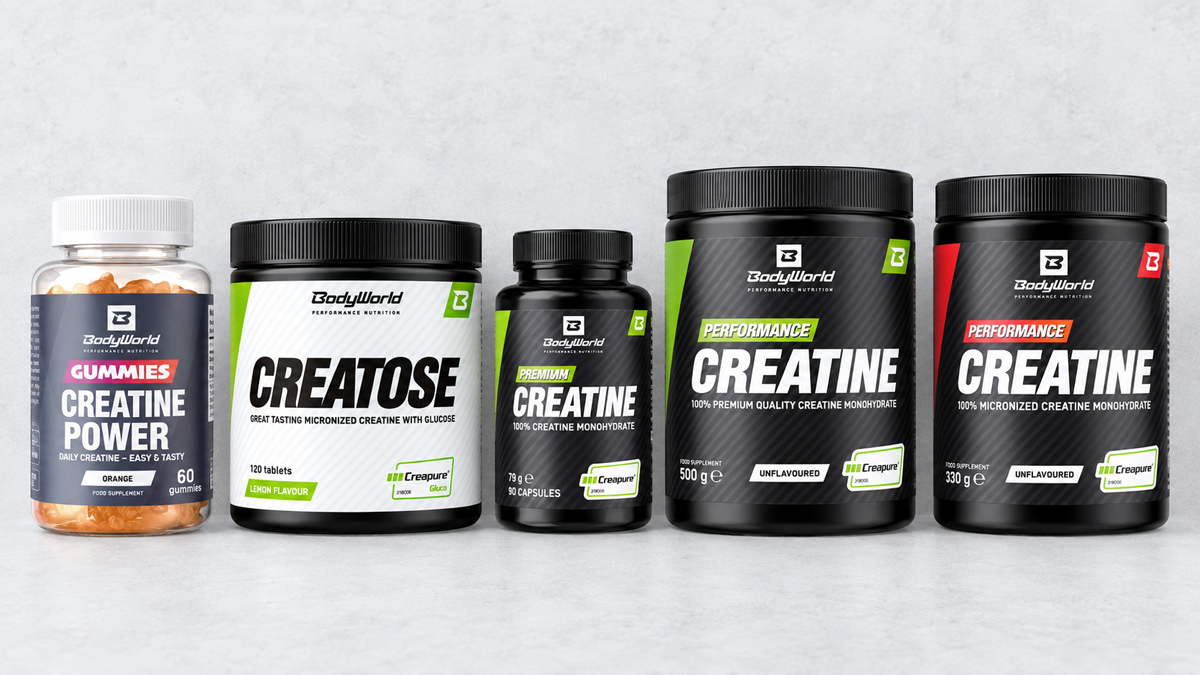
Micronized creatine monohydrate is chemically identical to classic creatine monohydrate – it only differs in having significantly smaller particle size. Smaller particles mix better with liquid and are more pleasant to drink. In terms of efficacy and absorption, there is no difference compared to standard monohydrate (1). It is a sensible choice for users who prefer better mixability.
Creapure® – does it matter where the creatine originated?
Creapure® is a registered trademark of the German manufacturer AlzChem for creatine monohydrate produced through a specific patented process. The production involves adding acetic acid to sodium sarcosinate, heating, adding cyanamide, crystallization, filtration, and drying – the result is creatine monohydrate with 99.9% purity and no detectable contaminants (10). It can arguably be labeled as the best creatine monohydrate.
Why does it matter? Creatine monohydrate produced from other starting materials – especially from China – may contain impurities, including dicyandiamide (up to 5.4%), dihydrotriazine (a potentially carcinogenic compound), creatinine, thiourea, and heavy metals such as mercury and lead (10).
In practice: look for the Creapure® mark on the packaging or verify the source of the raw material with the manufacturer. The price for Creapure® is usually slightly higher, but compared to alternative forms of creatine, the difference is minimal.
Creatine HCl vs. monohydrate
Creatine hydrochloride (HCl) is created by binding a hydrochloride group to the creatine molecule. The result is 38–40x higher water solubility than monohydrate (7; 11) – but at the same time a lower content of pure creatine per gram (~78% vs. ~87.9% for monohydrate).
Marketing arguments claim better absorption and a lower effective dose. What science says: no peer-reviewed study has proven that creatine HCl increases intramuscular creatine stores to a greater extent than monohydrate (11; 5). The bioavailability of monohydrate is already near 100% – so higher solubility provides no physiological benefit (1).
Creatine HCl is significantly more expensive, and there is a lack of a comparable volume of clinical data for its efficacy. A sensible choice only if you have a sensitive stomach or strongly prefer better solubility.
Kre-alkalyn vs. creatine monohydrate
Kre-alkalyn is creatine adjusted to a higher pH. Manufacturers claim that this adjustment prevents the degradation of creatine into creatinine in the stomach and allows for a lower effective dose.
The study by Jagim et al. (2012, cited in 1) directly compared creatine vs. kre-alkalyn in a double-blind randomized controlled trial and found no difference in intramuscular creatine stores, body composition, strength, or performance. It also debunked the basic premise – the degradation of creatine monohydrate into creatinine in the GI tract is minimal at normal stomach pH, because the extremely low pH actually prevents intramolecular cyclization (10). Kre-alkalyn solves a problem that does not exist in practice.
Creatine ethyl ester
Creatine ethyl ester was presented as a form with better penetration into muscle cells without relying on the insulin transporter.
In practice, however, it converts rapidly to creatinine – an inactive metabolite – in the acidic environment of the stomach (Child & Tallon, 2007, cited in 1). The study by Spillane et al. (2009, cited in 1) proved that creatine ethyl ester increases intramuscular creatine stores significantly less than monohydrate. Scientific reviews classify it as a less effective and poorly researched alternative (13). We do not recommend this form.
Overview comparison of forms
| Form | Efficacy evidence | Price | Recommendation |
|---|---|---|---|
| Creatine monohydrate | ✅ 500+ studies | Low | Best choice |
| Creapure® monohydrate | ✅ 500+ studies | Slightly higher | Best choice for quality |
| Micronized monohydrate | ✅ Same as monohydrate | Low–medium | Suitable alternative |
| Creatine HCl | ⚠️ Limited evidence | High | Only for GI distress |
| Kre-alkalyn | ❌ Unproven advantage | High | Do not recommend |
| Creatine ethyl ester | ❌ Worse than monohydrate | High | Do not recommend |
You will also often encounter multi-ingredient creatines and blends. Always read the ingredients properly.
Creatine: Side effects – myths vs. facts

Creatine monohydrate has over 30 years of clinical research behind it. Available short-term and long-term studies – up to 30 g/day for 5 years – in populations ranging from infants to seniors consistently show that creatine does not cause negative side effects – provided you follow the recommended dosage and are a healthy individual (10). The only consistently reported "side effect" is body weight gain – a welcome effect for most users.
This does not mean all concerns are unfounded. Some questions deserve a careful, data-backed answer.
Creatine and the kidneys – the most widespread myth
Creatine and the kidneys – this is probably the most common question associated with creatine and at the same time the best scientifically debunked myth.
Where did it originate? In 1998, doctors published a case study of one young man with pre-existing kidney disease (focal segmental glomerulosclerosis). After starting creatine supplementation, his blood creatinine levels rose – and the media immediately seized upon this as proof that creatine destroys kidneys (Pritchard & Kalra, 1998, cited in 1). Three days after publication, the French sports newspaper L'Équipe ran a front-page article “La créatine est dangereuse” – and the myth was born (2).
The key to understanding lies in distinguishing creatine and creatinine. Creatinine is a waste metabolite produced by the natural breakdown of creatine in muscle – healthy kidneys filter and excrete it in urine without issues. Supplementation with creatine monohydrate naturally increases creatinine production, which can manifest as apparently elevated blood creatinine levels – even though kidney function is entirely normal (1). This is a laboratory artifact, not pathology.
The review by Persky & Rawson (14, cited in 1) analyzed the results of creatine studies and found that in 12 studies there was no increase in serum creatinine, in 8 studies there was an increase within the normal range, and in only 2 studies was there a slight exceeding of the norm. Systematic research including studies lasting 10 months to 5 years with doses of 5–30 g/day has not shown any negative effects on kidney function in healthy individuals (10).
Exception: Individuals with pre-existing kidney disease should consult a nephrologist before starting supplementation – not because creatine damages the kidneys, but because the interpretation of laboratory creatinine values is more complex and individual monitoring is appropriate.
Creatine and hair – what the only relevant study says
Concerns about hair loss stem from a single study: van der Merwe et al. (15, cited in 1) monitored South African rugby players who, after a loading phase of creatine monohydrate (25 g/day for 7 days) and a maintenance phase (5 g/day for 14 days), showed a statistically significant increase in serum dihydrotestosterone (DHT) – by 56% after the loading phase and by 40% above baseline after the maintenance phase.
DHT is a metabolite of testosterone formed by the action of the 5-alpha-reductase enzyme. In genetically predisposed men, DHT can bind to androgen receptors in hair follicles and cause their miniaturization – leading to androgenetic alopecia (male-pattern baldness).
Why can't this study be taken as definitive proof?
Firstly, the results of the van der Merwe study have never been replicated by any subsequent study (1). Secondly, in the same study, no increase in total or free testosterone was recorded. Thirdly, baseline DHT values were 23% lower in the creatine group than in the placebo group – the statistical significance of the result is therefore partly an artifact of the initial imbalanced distribution. Fourthly, the absolute increase in DHT (+0.55 nmol/l) remained within the normal clinical range (1). Fifthly, 12 other studies examining the effect of creatine on testosterone have not proven any increase in total or free testosterone (1).
Scientific conclusion: Available evidence does not link creatine monohydrate supplementation to hair loss or baldness. No study has yet proven actual hair loss in humans as a direct result of creatine (1). If you have a genetic predisposition to androgenetic alopecia and this concern is relevant to you – the scientific basis for it consists of a single non-replicated study on 16 men.
Creatine and water retention – what actually happens
Creatine is an osmotically active substance – it draws water into cells. This exact property is the source of concerns about "water retention" and unwanted appearance effects.
Short-term (first 3–7 days of the loading phase), there is an actual increase in body weight by approximately 0.6–1.0 kg, which is caused by an increase in intracellular water volume in the muscles (10). This water is inside muscle cells – not under the skin. Intracellular hydration is actually a metabolically favorable state associated with increased protein synthesis and reduced catabolism (1).
Long-term (5–10 weeks of supplementation), many studies have not found any statistically significant increase in total body water volume or extracellular water volume compared to placebo (1). The ratio of intracellular water to total muscle mass remains constant with long-term use.
Practical summary: The short-term weight gain in the first phase of supplementation is real and is caused by intracellular muscle hydration. The subcutaneous "watery" appearance that athletes sometimes describe is not a scientifically documented effect of creatine.
Creatine and muscle cramps, dehydration, injury
These concerns are scientifically best debunked. A prospective study on American university football players (Greenwood et al., 2003, cited in 10) found that creatine users had a statistically lower incidence of muscle cramps, dehydration, heat illness, muscle tightness, muscle strains, and total number of injuries compared to non-users. American sports doctors in the early stages of research recommended skipping creatine when exercising in the heat – this recommendation was revised by data showing that creatine, thanks to its hyperhydration effect, actually reduces heat stress (1).
Gastrointestinal issues
The only scientifically supported side effect of creatine at recommended dosages – besides weight gain – is diarrhea and nausea with doses above 10 g in a single intake (12, cited in 1). The solution is simple: split the doses. With a maintenance dosage of 3–5 g/day, no GI issues are documented.
When not to take creatine or when to consult a doctor
Creatine monohydrate requires medical supervision or consultation in the following situations:
1
Kidney disease – individuals with diagnosed kidney disease should consult a nephrologist about supplementation. Not because of direct toxicity, but due to the complex interpretation of creatinine laboratory values and individual variability.
2
Nephrotoxic drugs – individuals taking cyclosporine, aminoglycosides, or high doses of NSAIDs should proceed with caution.
3
Pregnancy – research on human subjects is lacking, even though animal studies suggest potential benefits. Discuss this decision with your gynecologist.
4
Children and adolescents – they can safely use creatine under the conditions described in the section dedicated to specific groups, ideally under the supervision of an expert.
Creatine for specific groups
Creatine for women
Historically, creatine research was conducted predominantly on men – and that led to the persistent impression that creatine is a "male supplement." However, current scientific knowledge fundamentally corrects this image (1).
Women have lower absolute creatine stores overall than men – simply because they have less muscle mass. However, relative creatine concentrations per kg of dry muscle mass can be comparable or slightly higher in women than in men (Forsberg et al., 1991, cited in 3; 1). This may partially explain why some studies show a smaller performance increase in women after supplementation – their muscles are closer to saturation by default.
Nevertheless, controlled studies have clearly proven that creatine monohydrate supplementation in women increases intramuscular creatine stores, muscle mass, and strength during resistance training (16, cited in 1), improves sprint and agility performance in elite female football players (Cox et al., 2002, cited in 1), and increases performance during upper-body resistance exercises (Hamilton et al., 2000, cited in 1).
Creatine and the menstrual cycle
Creatine kinase levels and creatine dynamics change throughout the menstrual cycle depending on estrogen and progesterone (1). Estrogen influences enzymes associated with creatine synthesis, so the bioavailability of creatine differs in different phases of the cycle. Research in this area is still in its infancy, but suggests that women may benefit from creatine differently according to their cycle phase.
Creatine and menopause
In postmenopausal women – a group at risk of sarcopenia and osteoporosis – the combination of creatine with resistance training provides consistent benefits. Several independent studies have proven a greater increase in muscle mass, upper and lower body strength, and functional capacity compared to training alone (10). Chilibeck et al. (4, cited in 1) also proved that 52 weeks of supplementation with creatine monohydrate combined with resistance training slowed the loss of bone mineral density in the hip region in postmenopausal women.
Creatine and depression in women
The female brain naturally contains lower levels of creatine in the frontal lobe than the male brain (1). Pilot studies have shown that creatine monohydrate supplementation can improve symptoms of depression in adolescent girls resistant to SSRI treatment – the mechanism is an increase in cerebral phosphocreatine and improved mitochondrial bioenergetics (1). Depression is approximately twice as common in women than in men – creatine thus represents an interesting area of clinical research, although current evidence remains preliminary.
Conclusion for women
Creatine is just as safe for women as it is for men, provides demonstrable benefits during resistance training, and has potentially favorable effects in areas specific to female physiology – menopause, bone health, cognition, mood. Dosage is the same as for men: 3–5 g/day (1).
Creatine during weight loss and dieting
The question of the suitability of creatine during weight loss is popular, but partly builds on the false premise that creatine causes weight gain. Data are clear: creatine monohydrate at standard dosages does not increase fat mass in any age group or duration of observation (1).
Short-term weight gain during the loading phase (0.6–1.0 kg) is caused by intracellular water retention in the muscles – not fat. This gain usually stabilizes or entirely disappears upon switching to a maintenance dose.
Creatine can indirectly support weight loss through three mechanisms.
01
The first is the preservation of muscle mass during a calorie deficit – muscles are metabolically active tissue, and preserving them during dieting protects the basal metabolic rate.
02
The second is the enabling of higher training volume and intensity even with reduced energy intake – a calorie deficit reduces ATP availability, and creatine partially compensates for this limitation.
03
The third is the direct effect on body composition – a meta-analysis in adults over 50 found that the group supplementing creatine lost approximately 0.5 kg more fat mass than the placebo group (Forbes et al., 2019, cited in 1).
Practical recommendation during weight loss: If you want to reduce body fat while preserving muscle mass, creatine monohydrate is a rational choice. Feel free to skip the loading phase while dieting and start directly with a maintenance dosage of 3–5 g/day – this way you will avoid the transient weight gain from water retention.
Creatine on a keto diet
The ketogenic diet and creatine seem contradictory at first glance – keto eliminates carbohydrates, while older recommendations said that creatine is better absorbed with carbohydrates.
What science says: carbohydrates increase creatine retention thanks to insulin transporters, but this effect is relevant only in the first saturation phase for non-saturated muscles. After reaching full saturation (approximately after 28 days of continuous dosing), carbohydrates provide no retention benefit (1). Creatine monohydrate is therefore fully compatible with a ketogenic diet.
Furthermore, there is a specific reason why creatine is especially beneficial on a keto diet: the ketogenic diet primarily limits glycogen availability, which limits performance during high-intensity anaerobic exercise. Creatine partially compensates for this deficit by accelerating ATP resynthesis via the phosphocreatine system independent of glycogen (3).
Practical recommendation for keto: Take creatine with a meal – even one without carbohydrates – or with a protein shake. Proteins also stimulate insulin secretion, though less so than carbohydrates, and may slightly promote creatine absorption (10).
Creatine for vegetarians and vegans
Vegetarians and vegans are the group that benefits most from creatine. Because they do not ingest creatine from their diet (meat and fish are the main sources), they naturally have lower creatine stores in their muscles – approximately 90–110 mmol/kg of dry muscle mass compared to 120 mmol/kg for omnivores (10). A lower baseline means more room for saturation and a more significant ergogenic response.
The study by Burke et al. (2003, cited in 10) proved that vegetarians respond to creatine monohydrate supplementation with a greater increase in intramuscular creatine stores and muscle mass than omnivores with the same training protocol. Similarly, cognitive response to creatine supplementation is more pronounced in vegetarians (1).
Creatine monohydrate as a chemical compound is synthesized by the body and contains no animal ingredients – it is fully suitable for vegans. Only verify that the specific product does not contain animal-derived ingredients in its excipients.
Creatine for seniors
Sarcopenia – the progressive loss of muscle mass and strength associated with aging – is one of the main causes of the loss of functional independence in older adults. Creatine monohydrate combined with resistance training represents one of the best-supported approaches to slowing it down.
A meta-analysis of 19 randomized controlled trials including 609 participants over 50 years of age found that creatine monohydrate supplementation led to a greater decrease in body fat percentage and a trend toward lower absolute fat mass (-0.5 kg) compared to the placebo group (1). Three separate meta-analyses consistently proved that creatine combined with resistance training yields a greater increase in muscle mass, strength, and functional capacity in seniors than training alone (10).
An important nuance: creatine alone without a training stimulus yields minimal effect on muscle mass and strength in seniors (1). The combination with resistance training is key.
Chilibeck et al. (2005, cited in 10) also proved that creatine monohydrate combined with resistance training in men over 50 increased bone mineral content and density in the upper limbs and reduced bone resorption – direct relevance for osteoporosis prevention.
Recommended dosage for seniors: 0.1 g/kg of body weight daily (approximately 5–7 g for an average senior) in combination with regular resistance training (10).
Creatine for youth (under 18 years)
Creatine has been clinically administered to children with congenital disorders of creatine metabolism and neuromuscular diseases in high doses for years – without recorded side effects (10). In 2020, the US FDA classified creatine monohydrate as GRAS (Generally Recognized As Safe), and this assessment also applies to older children and adolescents (1).
The ISSN establishes the following conditions for the safe use of creatine by young athletes (10):
The athlete should be involved in serious, competitive, and supervised training, consume a balanced, performance-optimized diet, be informed about correct creatine usage, and not exceed the recommended dosage. Ideally, supplementation should take place under the supervision of a parent, coach, or physician.
Product packaging warnings stating "not suitable for persons under 18" are legal measures taken by manufacturers, not a reflection of scientific evidence regarding safety (10).
Creatine in the blood – what do the values mean?
Many people, after starting creatine monohydrate supplementation, find "high creatine in the blood" upon getting blood work done. Before you start to worry, it is essential to understand exactly what the laboratory result shows and what it actually means.
Creatine vs. creatinine – a crucial difference
These two terms sound similar, but they are distinct substances with different clinical interpretations.
Creatine (C₄H₉N₃O₂) is an active compound stored in muscles and the brain that serves as an energy reserve. It is not standardly measured in blood analysis – it is not part of a routine biochemical panel.
Creatinine (C₄H₇N₃O₂) is a waste metabolite produced by the natural breakdown of creatine and phosphocreatine in muscles at a rate of approximately 1–2% per day (10). Healthy kidneys filter it and excrete it in urine. It is creatinine – not creatine – that doctors standardly measure in blood tests as a marker of kidney function.
So when a doctor or laboratory result refers to "creatine in the blood," they almost always mean creatinine. The confusion of these terms is very widespread in practice.
Normal values of creatinine in the blood
Reference ranges vary slightly between laboratories, but standard values are:
| Group | Normal creatinine range |
|---|---|
| Men | 62–115 µmol/l (0.7–1.3 mg/dl) |
| Women | 44–97 µmol/l (0.5–1.1 mg/dl) |
| Children | 18–62 µmol/l (0.2–0.7 mg/dl) |
| Seniors | Slightly lower than adults |
Creatinine values are naturally higher in men than in women because men typically have more muscle mass – and more muscle means more creatine breaking down into creatinine (1).
Why does creatine monohydrate supplementation increase creatinine?
The mechanism is straightforward: supplementation increases muscle creatine stores by 20–40% (10). Higher creatine stores lead to higher absolute creatinine production as a waste product. Healthy kidneys filter and excrete this creatinine without issues – but its level in the blood temporarily rises.
The review by Persky & Rawson (14, cited in 1) analyzed dozens of studies and found that even where creatine supplementation increased serum creatinine, values either remained within the normal range or did not differ statistically from the control group.
Key conclusion: an increase in creatinine after starting creatine monohydrate supplementation is a physiologically expected and clinically insignificant phenomenon in healthy individuals (1). It is not a signal of kidney damage.
When is elevated creatinine actually a problem?
Isolated elevation of creatinine is not sufficient for a diagnosis of renal dysfunction. Doctors therefore assess kidney function more comprehensively.
Glomerular filtration rate (GFR or eGFR) is a more accurate indicator of kidney function than creatinine alone. Values above 60 ml/min/1.73 m² are considered normal. Creatine monohydrate supplementation at recommended dosages does not affect GFR in healthy individuals (10).
Trend of values over time is more important than a single measurement. Stable, slightly elevated creatinine in an athlete using creatine is a different situation than values that are gradually increasing.
Context of muscle mass and diet must always be taken into account. Athletes and bodybuilders naturally have higher creatinine values than the general population – without any supplementation. Similarly, consuming large amounts of meat before a blood draw temporarily increases creatinine (1).
Practical advice before blood work
If you use creatine monohydrate and are going for a blood test that includes kidney biochemistry, inform your doctor about the supplementation. This will allow them to interpret the results correctly. You don't have to stop taking creatine before the test – but the doctor should know you are supplementing so that slightly elevated creatinine doesn't trigger unnecessary alarm or redundant examinations.
Creatine in urine – is it normal?
Yes, completely normal. Without supplementation, creatine appears in urine only in minimal amounts. When taking creatine monohydrate, however, urinary creatine excretion can increase significantly – up to >10 g/day – because excess creatine that the muscles cannot absorb is simply excreted by the body (1). This is a physiological, not pathological, finding – in other words, there is no reason for concern.
Furthermore, you can glean useful information from it: fully saturated muscles absorb less creatine, so more of it ends up in the urine. Increased creatinuria during supplementation is therefore an indirect signal that your muscle stores are nearing saturation (10).
Conclusion and summary
Creatine monohydrate is, after more than three decades of research, still the best scientifically supported ergogenic dietary supplement available to athletes (10). More than 500 peer-reviewed studies consistently confirm its efficacy and safety across age groups, genders, and sports disciplines.
What creatine does
Creatine increases phosphocreatine stores in muscles by 20–40%, thereby accelerating ATP resynthesis during high-intensity intermittent exercise. The result is a 5–15% improvement in maximum strength, performance during repeated sprints, and training volume, approximately double the increase in muscle mass during resistance training compared to training alone, and faster recovery after intense physical stress (2; 10).
How to take creatine correctly
The standard maintenance dose is 3–5 g of creatine monohydrate per day. A loading phase (20 g/day for 5–7 days) accelerates the onset of the effect to approximately 7 days versus 28 days for continuous dosing without loading. Neither timing nor the form of ingestion significantly affects the result – consistency of daily intake is key (1).
Which form is best?
Creatine monohydrate – ideally with Creapure® certification for guaranteed purity – is the only form with sufficient scientific support. Other forms of creatine (Kre-alkalyn, creatine ethyl ester, creatine HCl) have not proven superiority and are significantly more expensive (1; 10).
What creatine does not do
Creatine does not damage kidneys in healthy individuals, does not cause hair loss, does not increase fat mass, does not cause muscle cramps or dehydration, and is not an anabolic steroid (1).
Who benefits the most
Strength athletes, team players, CrossFitters, vegetarians and vegans (lower initial stores), seniors in combination with resistance training, and women – especially during perimenopause and postmenopause (10; 1).
Action plan – how to start
If you aren't using creatine yet and want to start as simply as possible: choose creatine monohydrate (Creapure® or verified German source), start with 3–5 g daily without a loading phase, add it to your post-workout meal or protein shake, and take it every day including rest days. Expect results in the form of improved performance and increased muscle mass after 4–6 weeks of regular training.
If you are looking for a rapid onset of effects – for example before a competition – choose the loading protocol: 20 g/day divided into 4 doses of 5 g each for 5–7 days, then switch to a maintenance dose of 3–5 g/day.
On bodyworld.cz, you will find Creapure® creatine monohydrate as well as micronized variants from verified manufacturers. When choosing, verify the content of pure creatine per dose and the source of the raw material.
Article sources
1. Antonio, J., Candow, D. G., Forbes, S. C., Gualano, B., Jagim, A. R., Kreider, R. B., Rawson, E. S., Smith-Ryan, A. E., VanDusseldorp, T. A., Willoughby, D. S., & Ziegenfuss, T. N. (2021). Common questions and misconceptions about creatine supplementation: What does the scientific evidence really show? Journal of the International Society of Sports Nutrition, 18, Article 13. https://doi.org/10.1186/s12970-021-00412-w
2. Buford, T. W., Kreider, R. B., Stout, J. R., Greenwood, M., Campbell, B., Spano, M., Ziegenfuss, T., Lopez, H., Landis, J., & Antonio, J. (2007). International Society of Sports Nutrition position stand: Creatine supplementation and exercise. Journal of the International Society of Sports Nutrition, 4, Article 6. https://doi.org/10.1186/1550-2783-4-6
3. Burke, L. (2010). Clinical sports nutrition (4th ed.). McGraw-Hill.
4. Chilibeck, P. D., Candow, D. G., Landeryou, T., Kaviani, M., & Paus-Jenssen, L. (2015). Effects of creatine and resistance training on bone health in postmenopausal women. Medicine & Science in Sports & Exercise, 47(8), 1587–1595. https://doi.org/10.1249/MSS.0000000000000571
5. Gajda-Bathelt, M., Kwaterska, K., Adasiewicz, J., Kutyłowska, A., Kutyłowski, K., Kuna, P., Chojniak, A., Benecka, A., Janawa, K., & Tomaszek, M. (2025). Creatine supplementation: Bioavailability and effects on physical and cognitive performance. Quality in Sport. https://doi.org/10.12775/qs.2025.43.62359
6. Green, A. L., Hultman, E., Macdonald, I. A., Sewell, D. A., & Greenhaff, P. L. (1996). Carbohydrate ingestion augments skeletal muscle creatine accumulation during creatine supplementation in humans. American Journal of Physiology, 271(5), E821–E826. https://doi.org/10.1152/ajpendo.1996.271.5.E821
7. Gufford, B. T., Sriraghavan, K., Miller, N. J., Miller, D. W., Gu, X., Vennerstrom, J. L., & Robinson, D. H. (2010). Physicochemical characterization of creatine N-methylguanidinium salts. Journal of Dietary Supplements, 7(3), 240–252. https://doi.org/10.3109/19390211.2010.491507
8. Harris, R. C., Soderlund, K., & Hultman, E. (1992). Elevation of creatine in resting and exercised muscle of normal subjects by creatine supplementation. Clinical Science, 83(3), 367–374. https://doi.org/10.1042/cs0830367
9. Hultman, E., Soderlund, K., Timmons, J. A., Cederblad, G., & Greenhaff, P. L. (1996). Muscle creatine loading in men. Journal of Applied Physiology, 81(1), 232–237. https://doi.org/10.1152/jappl.1996.81.1.232
10. Kreider, R. B., Kalman, D. S., Antonio, J., Ziegenfuss, T. N., Wildman, R., Collins, R., Candow, D. G., Kleiner, S. M., Almada, A. L., & Lopez, H. L. (2017). International Society of Sports Nutrition position stand: Safety and efficacy of creatine supplementation in exercise, sport, and medicine. Journal of the International Society of Sports Nutrition, 14, Article 18. https://doi.org/10.1186/s12970-017-0173-z
11. Kreider, R., Jäger, R., & Purpura, M. (2022). Bioavailability, efficacy, safety, and regulatory status of creatine and related compounds: A critical review. Nutrients, 14(5), Article 1035. https://doi.org/10.3390/nu14051035
12. Ostojic, S. M., & Ahmetovic, Z. (2008). Gastrointestinal distress after creatine supplementation in athletes: Are side effects dose dependent? Research in Sports Medicine, 16(1), 15–22. https://doi.org/10.1080/15438620701693280
13. Pashayee-Khamene, F., Heidari, Z., Asbaghi, O., Ashtary-Larky, D., Goudarzi, K., Forbes, S. C., Candow, D. G., Bagheri, R., Ghanavati, M., & Dutheil, F. (2024). Creatine supplementation protocols with or without training interventions on body composition: A GRADE-assessed systematic review and dose-response meta-analysis. Journal of the International Society of Sports Nutrition, 21(1), Article 2380058. https://doi.org/10.1080/15502783.2024.2380058
14. Persky, A. M., & Rawson, E. S. (2007). Safety of creatine supplementation. Sub-Cellular Biochemistry, 46, 275–289. https://doi.org/10.1007/978-1-4020-6486-9_14
15. van der Merwe, J., Brooks, N. E., & Myburgh, K. H. (2009). Three weeks of creatine monohydrate supplementation affects dihydrotestosterone to testosterone ratio in college-aged rugby players. Clinical Journal of Sport Medicine, 19(5), 399–404. https://doi.org/10.1097/JSM.0b013e3181b8b52f
16. Vandenberghe, K., Goris, M., Van Hecke, P., Van Leemputte, M., Vangerven, L., & Hespel, P. (1997). Long-term creatine intake is beneficial to muscle performance during resistance training. Journal of Applied Physiology, 83(6), 2055–2063. https://doi.org/10.1152/jappl.1997.83.6.2055
17. Wyss, M., & Kaddurah-Daouk, R. (2000). Creatine and creatinine metabolism. Physiological Reviews, 80(3), 1107–1213. https://doi.org/10.1152/physrev.2000.80.3.1107
Frequently Asked Questions (FAQ)
Is creatine harmful?
Creatine monohydrate at recommended dosages (3–5 g/day) is not harmful to healthy adults – this position is based on over 500 peer-reviewed studies and has been repeatedly confirmed by international expert societies (Kreider et al., 2017; Antonio et al., 2021). The US FDA classified creatine monohydrate as GRAS (Generally Recognized As Safe) in 2020. The only consistently reported side effect is transient body weight gain in the first few days of supplementation, caused by intracellular water retention in the muscles.
Creatine yes or no?
For a healthy adult who trains regularly for strength or participates in intermittent high-intensity sports, creatine monohydrate is the scientifically best-supported ergogenic dietary supplement – its use is a rational choice (Buford et al., 2007). Individuals with kidney disease, pregnant women, or those with contraindications should consult a doctor before starting supplementation.
Creatine dosage and risks: What to keep in mind?
The standard maintenance dose is 3–5 g of creatine monohydrate per day. Do you want a faster onset of effects? Choose a loading phase: 20 g/day divided into 4 doses for 5–7 days, then switch to a maintenance dose (Kreider et al., 2017).
The only risk of a loading phase: doses above 10 g at one time can cause diarrhea or nausea – therefore, spread doses evenly throughout the day (Antonio et al., 2021). Long-term studies lasting up to 5 years have not proven any negative health effects in healthy individuals (Kreider et al., 2017). Caution is advised only for individuals with kidney disease.
Creatine and sex – does creatine affect libido or sexual performance?
Creatine monohydrate does not affect libido or sexual performance – 12 controlled studies examining the effect of creatine on testosterone have not proven any statistically or clinically significant increase in total or free testosterone (Antonio et al., 2021). The single study that noted an increase in DHT after creatine was never replicated, and the absolute increase remained within the normal clinical range (van der Merwe et al., 2009, cited in Antonio et al., 2021).
Creatine tablets or powder – what is the difference?
In terms of efficacy, there is no difference – both forms contain the same active ingredient with the same bioavailability (Antonio et al., 2021). Powder is generally cheaper per gram of pure creatine and allows for more precise dosing.
Tablets and capsules are more convenient for traveling and usage outside the home. When selecting, verify the pure creatine content per dose – some tablet products have a lower creatine content per capsule and require a larger number of tablets to reach an effective dose.
What is the best creatine?
Unquestionably creatine monohydrate – ideally with Creapure® certification. Over 500 scientific studies support it; it is the most absorbable and at the same time the cheapest per gram of pure creatine. No alternative form – Kre-alkalyn, creatine HCl, or creatine ethyl ester – has surpassed its efficacy in direct comparison (Antonio et al., 2021; Kreider et al., 2017).
Why Creapure®? It is German-manufactured creatine monohydrate with 99.9% purity and no contaminants. Creatine from other sources – especially China – may contain impurities including heavy metals (Kreider et al., 2017).
Creatine and protein – does it make sense to combine them?
Definitely yes – feel free to combine protein and creatine without any interactions or contraindications (Buford et al., 2007). On the contrary, the combination is advantageous – proteins slightly stimulate insulin secretion, which supports the transport of creatine into the muscles, and together they provide complete nutritional support for muscle adaptation. The simplest strategy? Add creatine directly into your protein shake.
Creatine and gainer – does the combination make sense?
Yes, feel free to combine gainer and creatine – and in the context of a loading phase, it is actually an advantageous combination. The high carbohydrate content in a gainer stimulates insulin, which accelerates the transport of creatine into the muscles (Green et al., 1996, cited in Burke, 2010).
After reaching full muscle saturation (approximately after 28 days), however, the carbohydrates from a gainer offer no additional absorption benefit for creatine. And here comes the main disadvantage of gainers: high caloric intake. If your goal is not significant weight gain, opt for creatine monohydrate as a standalone supplement – you will gain better control over your carbohydrate and calorie intake, and it will be more economical.
Tip: We have a product category called gainers without creatine – so that you can regulate your creatine dosage independently of your gainer intake.
HMB and creatine – does the combination make sense?
HMB (beta-hydroxy-beta-methylbutyrate) is a leucine metabolite with potential anti-catabolic effects. Jowko et al. (2001, cited in Buford et al., 2007) found that the combination of creatine and HMB led to an additive increase in muscle mass and strength compared to each supplement alone. It sounds promising – but other studies have not confirmed this effect, and the evidence for the combination is inconsistent (Buford et al., 2007).
Creatine monohydrate has a substantially stronger scientific background than HMB. If you are deciding where to invest your supplement budget, creatine is the clear first choice. HMB might be an interesting addition – but definitely not a replacement for creatine.
Creatine and L-carnitine – does the combination make sense?
L-carnitine and creatine have different mechanisms of action – creatine supports anaerobic performance via the phosphocreatine system, L-carnitine is involved in the transport of fatty acids into mitochondria for oxidation. They are not antagonists, so feel free to try combining them – but science has not yet proven a synergistic effect (Burke, 2010).
Prioritize creatine – its benefit has significantly stronger scientific support. L-carnitine may be an interesting addition, but the added value beyond creatine itself remains uncertain.
Creatine and beta-alanine – does the combination make sense?
Beta-alanine and creatine are mutually complementary supplements with different mechanisms. Creatine improves performance during short maximal bursts (5–30 seconds) via the phosphocreatine system; beta-alanine increases muscle carnosine content, which buffers acidity during prolonged high-intensity exercise (60–240 seconds).
Hoffman et al. (2006, cited in Buford et al., 2007) found that the combination led to greater increases in strength and lean muscle mass and a reduction in fat mass compared to each supplement alone. The combination makes sense for athletes combining resistance training with high-intensity interval exercise.
Expired creatine – can it still be used?
Good news: creatine monohydrate in powder form is extremely stable. When stored correctly – dry, dark, room temperature – it shows no detectable degradation even after years (Kreider et al., 2017). The "best before" date on the packaging is usually just a conservative estimate by the manufacturer. If the powder does not contain visible moisture, clumps, or an odd smell, it is likely still fully effective.
Creatine in solution is a different case – in an acidic environment at higher temperatures, it converts more rapidly into creatinine and its shelf life is significantly shorter (Kreider et al., 2017). Therefore, always mix creatine just before consumption and do not prepare it in a shaker in advance for the whole day.
Creatine break – is it necessary to take breaks?
Breaks in creatine use are not supported by science as necessary or beneficial for healthy individuals (Antonio et al., 2021). Long-term studies lasting up to 5 years have not proven any negative side effects with continuous use of recommended dosages (Kreider et al., 2017). After stopping, it takes muscle stores approximately 4–6 weeks to return to baseline levels – every break therefore means a temporary loss of the ergogenic effect. Consider a break only in the case of competitive weigh-ins in weight categories.
What is the difference between creatine and keratin?
Creatine and keratin are completely different substances that share only a similarly sounding name.
Creatine is a compound of amino acids serving as an energy reserve in muscles and the brain (Kreider et al., 2017).
Keratin is a structural protein forming hair, nails, and the outer layer of skin.
Confusing these terms is very common, but they are two biologically and chemically completely unrelated molecules. Creatine does not affect keratin in hair or nails.
Creatine on a rest day – take it or not?
Yes – it makes sense to take creatine even on rest days. The goal of supplementation is to keep muscle stores permanently saturated, which requires daily replenishment of the approximately 1–2 g that naturally breaks down into creatinine (Kreider et al., 2017). The dose on a rest day remains the same – 3–5 g. Timing is completely irrelevant; take creatine at any time with a meal.
How long does it take for creatine to start working?
With a loading phase (20 g/day for 5–7 days), muscle stores are fully saturated in approximately a week and the ergogenic effect sets in quickly (Hultman et al., 1996, cited in Kreider et al., 2017). With continuous dosing without loading (3–5 g/day), full saturation takes approximately 28 days. Weight gain of 0.6–1.0 kg caused by water retention is usually the first observable effect during a loading phase.
Creatine for CrossFit and HIIT – does it make sense?
Yes – CrossFit and HIIT are exactly the types of activity for which the ergogenic effect of creatine is best proven. Both involve repeated "bursts" of high-intensity activity with short rest periods – situations where increased phosphocreatine stores provide a direct benefit in the form of faster ATP resynthesis and delaying performance drop during training (Buford et al., 2007).
Creatine and testosterone – does creatine increase testosterone?
Creatine does not increase testosterone. Twelve controlled studies examining the effect of creatine on testosterone levels have not proven any statistically or clinically significant increase in total or free testosterone (Antonio et al., 2021). Creatine is not a hormonal supplement – its mechanism of action is purely energetic, via the phosphocreatine system.
Creatine and vegetarians – why does it work better?
Vegetarians and vegans naturally have lower initial muscle creatine stores – approximately 90–110 mmol/kg of dry muscle mass compared to 120 mmol/kg for omnivores (Kreider et al., 2017). A lower baseline means more room for saturation and a more significant response to supplementation – both in performance and cognitive functions (Antonio et al., 2021). Creatine monohydrate does not contain animal-derived ingredients and is fully suitable for vegans.
What does creatine in the blood mean?
If your doctor told you that you have "elevated creatine in the blood," they likely meant creatinine – not creatine. People commonly confuse these two terms, but they are completely different substances.
Creatinine is a waste metabolite produced by the natural breakdown of creatine in the muscles. Healthy kidneys filter it and excrete it in urine. If you take creatine monohydrate, its blood levels temporarily rise – this is not kidney damage, but a physiologically expected phenomenon (Antonio et al., 2021). Always inform your doctor about supplementation before blood work so they can interpret the results correctly.
Creatine for hair – does creatine cause hair loss?
Short answer: probably not. Regarding hair loss – the whole concern is based on a single study (van der Merwe et al., 2009, cited in Antonio et al., 2021), which noted an increase in DHT after creatine in 16 rugby players. However, these results were never replicated by anyone, and the absolute DHT increase remained within the normal clinical range. No study has yet proven actual hair loss as a direct result of creatine (Antonio et al., 2021).
And one more thing – creatine and keratin are two completely different things, and surprisingly many people confuse them. Creatine is an energy compound in muscles, keratin is a structural protein forming hair and nails. So if you are interested in hair health, look for keratin – not creatine.
Creatine and BCAA – does it make sense to combine them?
BCAA and creatine are two supplements with completely different mechanisms of action – and precisely for this reason, their combination makes sense. Creatine supports performance during high-intensity bursts via the phosphocreatine system (Buford et al., 2007), BCAA support muscle protein synthesis and recovery after training (Antonio et al., 2021). They are not competitors – they are complementary supplements.
One important note: you don't need BCAA if your diet contains enough high-quality protein – complete proteins (chicken, eggs, quark, whey) naturally contain BCAA. Creatine stands in a different position in this regard – you can hardly supplement it in sufficient amounts from diet alone.
If you are asking if BCAA or creatine is better, prioritize creatine – its benefits are significantly more strongly supported by science.
Also: The combination of creatine with BCAA is neither harmful nor problematic.
Creatine and glutamine – does it make sense to combine them?
Glutamine and creatine are two supplements with different mechanisms of action – they are not competitors. Creatine supports performance during high-intensity bursts via the phosphocreatine system (Buford et al., 2007), glutamine plays a role primarily in immune function and recovery.
Lehmkuhl et al. (2003, cited in Buford et al., 2007) examined the combination of creatine and glutamine during resistance training and found no additive effect compared to creatine alone. Glutamine has not proven added value beyond creatine itself.
And one more important thing: you don't need glutamine if your diet contains enough high-quality protein – they naturally contain it in sufficient quantities.
Prioritize creatine – its benefits are significantly more strongly supported by science. Consider glutamine only if you have a very high training volume or recurring health problems.